
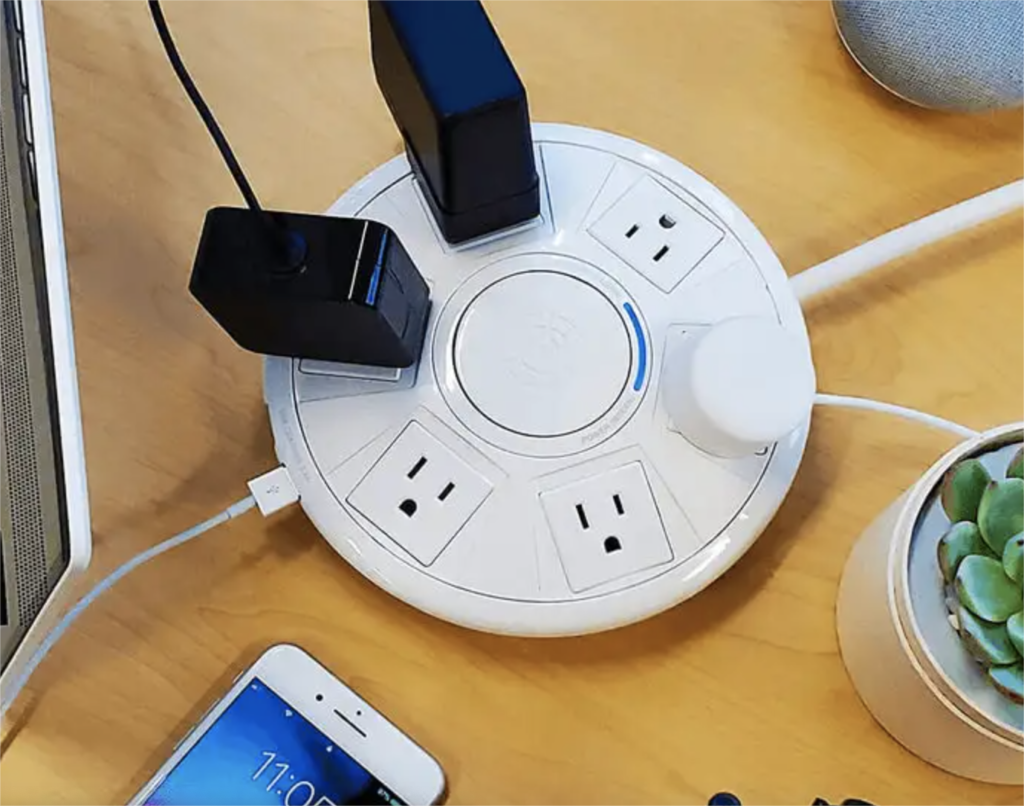
What Is the Best Surge Protector?

Ever worried about a sudden power surge destroying your precious electronics? Surge protectors can be your best line of defense, but with so many on the market, how do you pick the right one?
A quality surge protector goes beyond just providing more outlets—it shields devices from voltage spikes that can fry circuit boards. Understanding which features matter most will help you safeguard your expensive tech and rest easy, even when lightning strikes or your grid flickers.
Let’s explore why investing in a surge protector is vital, what features to look for, brand considerations, and tips on maintenance and replacement.
Why Should You Invest in a Surge Protector?
A single power surge can fry motherboards, wipe out data, and leave you with costly repairs or replacements. Surge protectors absorb or redirect these excess voltages so your devices remain safe.
Surges happen more often than you think—lightning strikes are an obvious culprit, but everyday fluctuations like turning on high-powered appliances can create small spikes, too. A surge protector manages these spikes, preventing them from reaching your sensitive electronics. Whether it’s your gaming PC, home theater system, or even smaller devices like routers, surge protectors ensure they’re shielded. Plus, many protectors come with built-in features like circuit breakers or LED indicators that signal protection status, adding another layer of peace of mind.
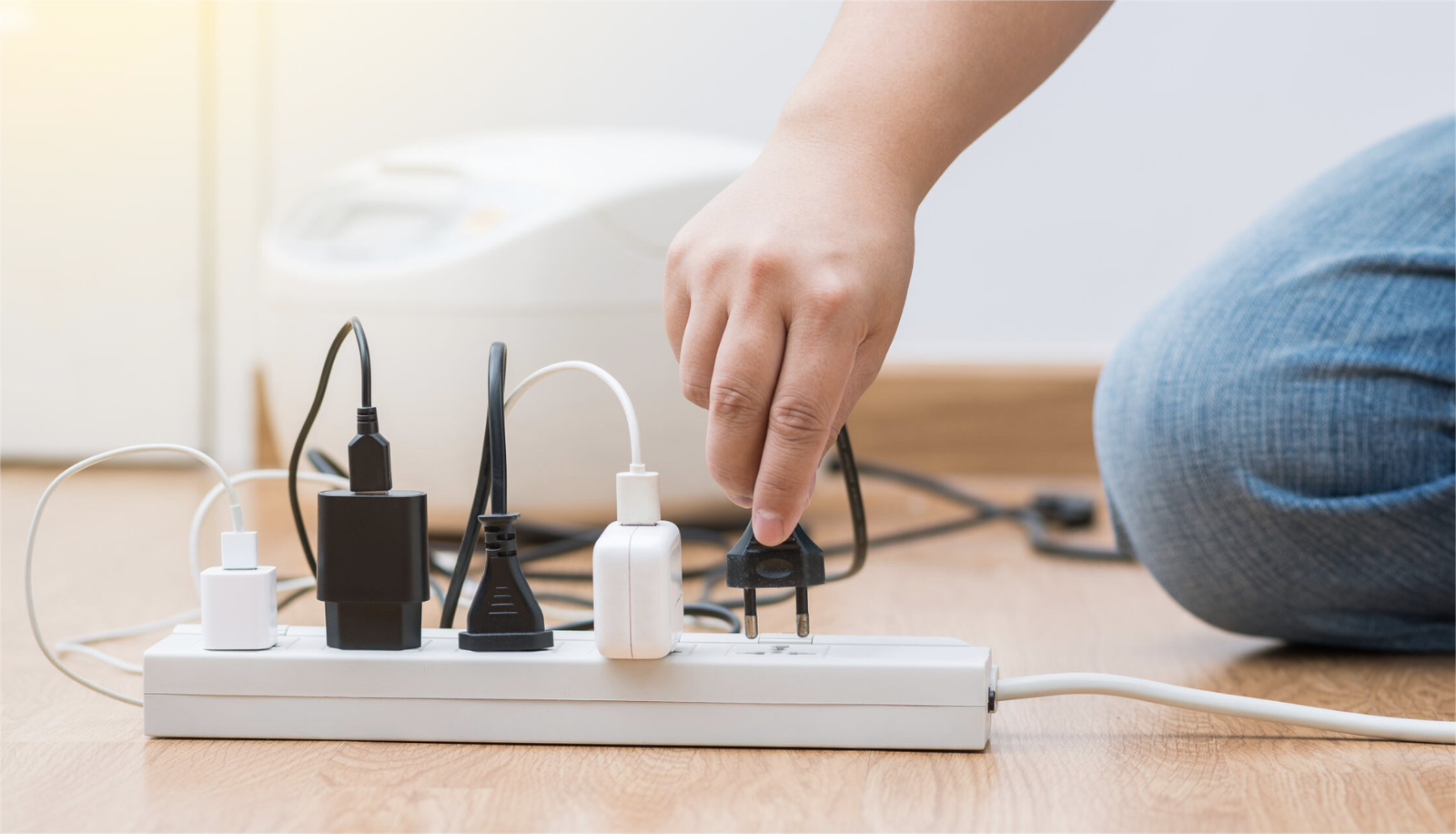
Power surges vary from major spikes—like those caused by nearby lightning strikes—to microfluctuations whenever large appliances cycle on or off. Even your fridge or air conditioner switching can generate brief spikes on the power line. Over time, repeated smaller surges degrade components in your electronics, leading to random malfunctions or shortened lifespans.
Why Everyday Surges Matter
While a single catastrophic surge may blow a fuse or damage a power supply outright, many people overlook the incremental wear-and-tear smaller surges inflict1. This gradual damage can lead to mysterious, intermittent errors—like a TV that suddenly refuses to turn on or a computer that experiences random reboots.
Surges Beyond Weather
Though lightning is a major surge source, your local grid can also contribute. Power utility switches and transformer issues introduce transient spikes. In some areas, older infrastructure results in more frequent flickers and surges. If you’ve ever noticed lights dim momentarily when the air conditioner kicks in, that’s a sign your home’s electrical system is stressed—and so are your devices.
Peace of Mind
A good surge protector offers a joule rating (energy absorption capacity)2 that matches the typical surges in your region. The higher the joules, the more energy it can safely handle. Instead of gambling with replacements after each big storm, a surge protector is a small investment for significant peace of mind. By dispersing or grounding these voltage spikes, it ensures your electronics last longer and run more reliably.
What Features Matter Most When Choosing a Surge Protector?
Not all surge protectors are created equal. From joule ratings to clamping voltage, certain specs make a big difference in real-world performance.
Key features include:
- Joule Rating: Higher means better surge absorption.
- Clamping Voltage: Lower indicates quicker surge redirection.
- Response Time: The faster it reacts, the less energy hits your devices.
- Number & Spacing of Outlets: Enough to accommodate bulky plugs, plus any extra features like USB ports.
Look for a UL listing or equivalent certification so you know it’s tested for safety.
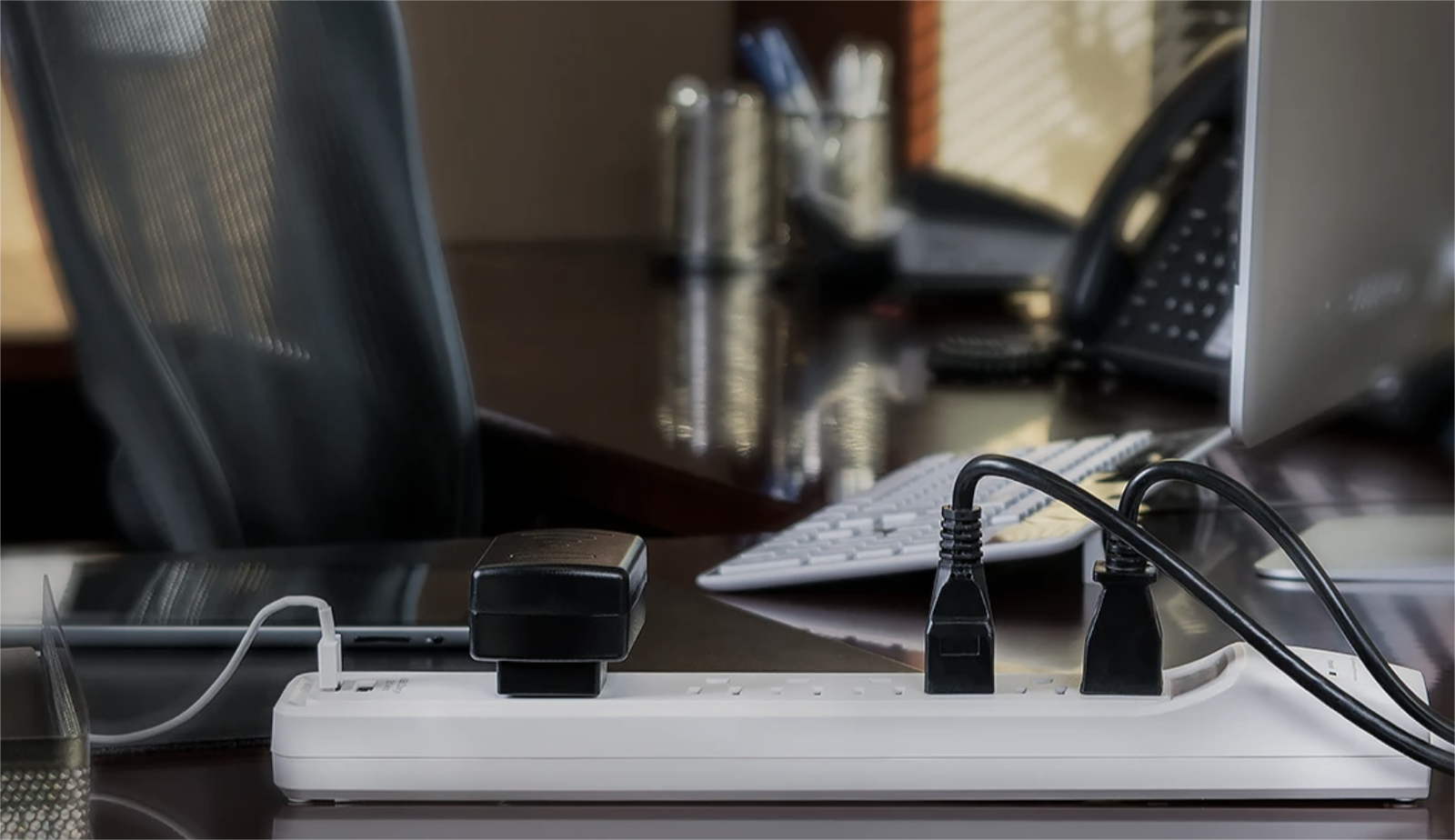
When shopping for a surge protector, it’s easy to focus on the number of outlets or price—but the internal specs truly define its performance.
Joule Rating
This measures the total energy the surge protector can absorb before its protection wears out. For a standard home setup—like a TV, gaming console, and a few peripherals—a rating of 1,000–2,000 joules is often enough. For bigger home theaters or large gaming rigs with multiple monitors, aim higher. The joule rating isn’t infinite, though; once the surge protector accumulates enough hits, its capacity diminishes.
Clamping Voltage
A surge protector’s clamping voltage3 is the threshold at which it begins to divert excess current. Lower is better—for instance, 330V means it activates at 330 volts above normal line voltage, offering quicker intervention than a 400V or 500V rating.
Indicator Lights4
Some surge protectors have an LED that confirms ongoing protection. Once that light goes out, the MOVs (Metal Oxide Varistors) may be exhausted. This is crucial if you want to know when it’s time to replace the unit.
Additional Features
- USB ports for charging phones and tablets.
- Rotating or widely spaced outlets for large power bricks.
- Phone/Coax/Ethernet jacks if you need line protection for those signals, too.
Pay attention to the packaging or manual: look for compliance labels like UL 1449 (in the U.S.) or other recognized safety standards. While no surge protector can handle every conceivable spike (like a direct lightning strike), these features drastically reduce the chance of damaging your gear from everyday surges.
Are All Surge Protectors the Same, or Do Brands Matter?
Brand reputation often indicates quality, but you can still find budget-friendly gems if you know what to look for. Let’s see why brand name can matter.
Reputable brands invest in better-quality components—like robust MOVs—and thorough testing. This often translates into higher joule ratings, reliable clamping voltage, and consistent performance. Lesser-known or knock-off surge protectors might claim high specs but deliver poorly in real-world conditions. Additionally, big-name brands sometimes include warranty coverage for connected devices if the protector fails. Research a brand’s track record for safety recalls or reliability reports. While you can find solid products from lesser-known makers, verifying certifications is crucial.
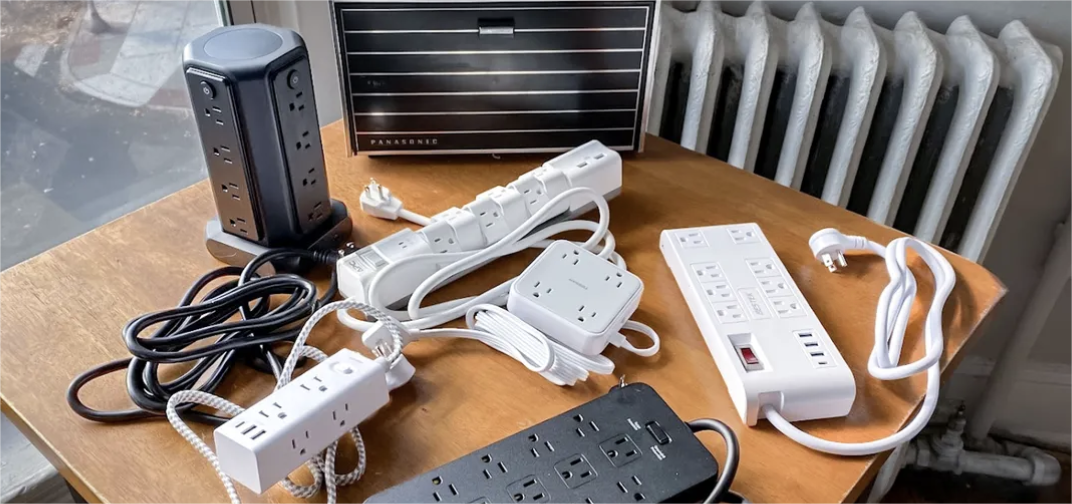
When you see a brand like Belkin, APC, or Tripp Lite, it’s not just about a logo—they typically have a proven track record for manufacturing standards and consistent protective elements. For instance, their MOVs are often tested to ensure they absorb surges effectively without catching fire or failing prematurely.
Why Brand Matters
- Warranties: Some reputable surge protectors come with “connected equipment warranties,” covering up to a certain dollar amount if your devices are damaged. This indicates confidence in their product’s capacity.
- Better Build Quality: Premium brands might use fireproof materials in the enclosure or offer advanced filtering to reduce electrical noise.
- Rigorous Testing: They often adhere to UL 1449 standards in the U.S., or equivalent benchmarks in other regions, verifying key specs like clamping voltage and response time.
Finding Value in Mid-Range Options
Not all top-tier surge protectors are expensive. Some mid-priced offerings5 from established brands still deliver robust protection and essential features. The difference might be fewer outlets or slightly lower joule ratings. Nonetheless, you can get plenty of coverage for a standard home entertainment system or office setup.
Spotting Counterfeits or Poor-Quality Units
Online marketplaces abound with generic surge protectors boasting suspiciously high joule ratings6. If a brand is entirely unrecognizable, check reviews and certifications carefully. Fake UL labels or incomplete product descriptions can be red flags. Reading user feedback can reveal if a surge protector melted under modest spikes or functioned reliably for years.
In summary, while brand reputation is no guarantee of perfection, it does offer a baseline of trust. Doing some quick research on performance reviews and verifying official certifications ensures you don’t waste money on a product that fails when you need it most.
How Do You Maintain and Replace Your Surge Protector?
Surge protectors don’t last forever. Over time, their protective components degrade, and you’ll need to replace them. Proper maintenance prolongs their life and helps you spot issues early.
Start by placing your protector in a ventilated spot—avoid tucking it under carpets or behind thick furniture. Check for frayed cords, burnt smells, or flickering indicator lights. If the “protected” LED goes out, your surge protector may no longer shield against spikes. Some experts recommend replacing them every 3–5 years, even without obvious damage, because MOVs degrade. Also, after a major storm or surge event, do a quick inspection to ensure it’s still functioning.
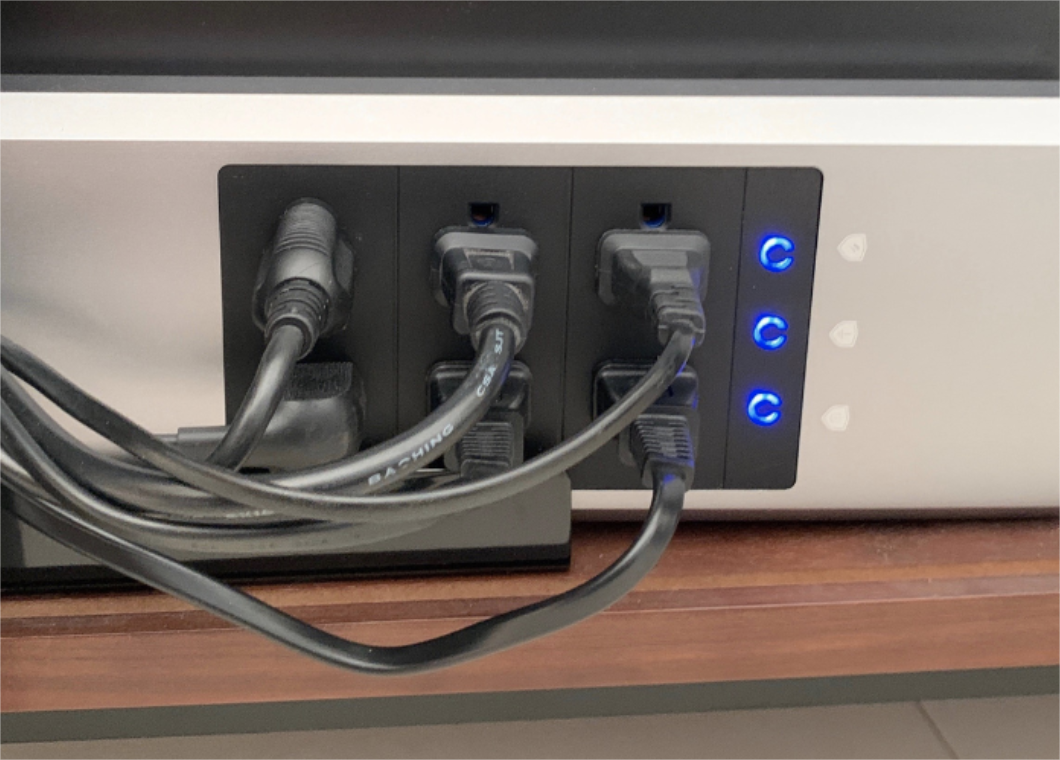
Even the best surge protectors lose effectiveness over time. Each surge—big or small—chips away at the internal MOVs, which absorb that extra energy. Eventually, they can’t handle further spikes, leaving your gear vulnerable without any outward sign.
Regular Visual Checks
- Cord Wear: If you see exposed wiring or deep cuts, it’s time to replace the unit or at least stop using it until repaired.
- Housing Damage: Cracks or melted plastic near the outlets suggest overheating or a past surge event.
Monitoring LED Indicators
Many surge protectors have an LED that indicates active surge protection7. Once it’s off (even if the strip still powers your devices), you’re no longer protected against voltage spikes. That means you should retire it or confirm it’s still under warranty if applicable.
Post-Storm Assessment
If a lightning storm or power outage rocked your grid, check your surge protector afterward. A severe spike could deplete much of its joule rating8 or blow internal fuses. The device might continue functioning as a simple power strip but lack any surge absorption capacity.
Replacement Guidelines
Some manufacturers suggest replacing units every 3–5 years, especially in areas prone to frequent surges. If your area has stable power and few storms, your protector could last longer. But ignoring a well-used surge protector is risky—better to replace periodically than discover it’s useless after a surge damages your devices.
A little vigilance ensures your surge protector does its job when the next spike hits. By keeping cords tidy and watching for signs of wear, you can confidently rely on your surge protector to shield your equipment.
Conclusion
In a world of unpredictable power fluctuations, a well-chosen surge protector is a small but essential investment. Look for reliable joule ratings, lower clamping voltage, and solid brand reputations. With proper maintenance and timely replacements, you’ll keep your electronics safe and running smoothly, no matter what the grid throws your way.
-
Understanding the gradual damage from small surges can help you protect your electronics better, ensuring they last longer and function reliably. ↩
-
Knowing about joule ratings can guide you in choosing the right surge protector for your needs, offering better protection for your devices. ↩
-
A lower clamping voltage means quicker protection against surges, safeguarding your devices more effectively. ↩
-
Indicator lights provide a quick way to check if your surge protector is still offering protection, ensuring your devices are safe. ↩
-
Discover top mid-priced surge protectors that offer excellent protection without breaking the bank, ensuring your devices are safe. ↩
-
Learn how to spot and avoid surge protectors with misleading joule ratings, ensuring you invest in reliable protection for your electronics. ↩
-
Understanding surge protection can help safeguard your electronics from unexpected voltage spikes, ensuring their longevity and reliability. ↩
-
Exploring joule rating helps in selecting a surge protector that matches your needs, ensuring optimal protection for your devices. ↩