

I’ve lived the dorm life: too many devices, too few outlets, and one roommate who always “borrows” your charger. A good power strip keeps the peace—safe, compact, and easy to share. Here’s a simple guide I wish I’d had on day one.
Why Power Strips Are Essential in Dorms and Shared Living Spaces

- More outlets, less chaos: Laptops, phones, tablets, lamps, speakers—one wall socket won’t cut it.
- Shared charging zones: A strip on the desk or by the sofa becomes neutral territory for everyone’s cables.
- Surge protection for expensive gear: Dorm power can be noisy. Surge stages protect laptops and consoles from spikes.
- Rule-friendly setups: Flat plugs, right-length cords, and overload protection1 help pass dorm safety checks.
Safety note: Most dorm policies ban daisy-chaining (strip-into-strip) and forbid heaters or kettles on strips. Plug high-watt appliances directly into the wall.
Key Features to Look for: USB Ports, Surge Protection, and Compact Design

Must-have features (quick list)
- Surge protection: Look for a joule rating2 (e.g., 1,000–2,000 J) and a “Protected” indicator light.
- Overload protection: A resettable breaker that trips safely if someone overplugs.
- USB-C PD3 + USB-A: At least one USB-C PD3 30–65 W for fast laptop/phone charging, plus USB-A for legacy cables.
- Compact footprint: Slim body, wide-spaced outlets for chunky chargers.
- Flat/angled wall plug & right cord length: 1.5–2.0 m usually hits the sweet spot without coil mess.
- Mounting options: Keyhole slots or adhesive pads for under-desk or wall placement.
- Real certifications: CE/UKCA (EU/UK) or UL/ETL (US/CA), plus RoHS materials.
Nice to have
- EMI/RFI filtering4 (helps with audio hiss).
- Individual switches (cut fairy lights without unplugging).
- Low standby (<0.5 W) for energy-minded dorms5.
Best Power Strip Recommendations for Students and Roommates
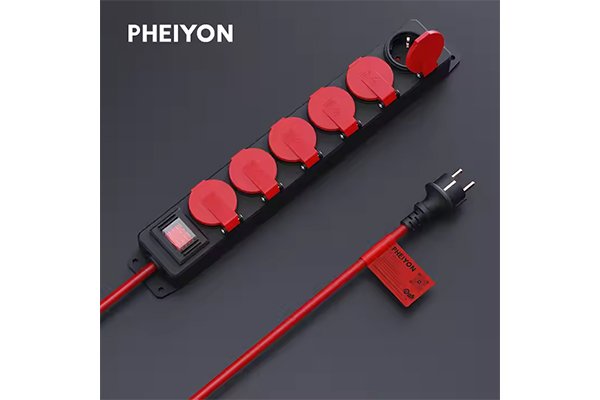
I’m not pushing specific retail SKUs here—think in use cases. Match the spec to your setup.
1) Desk Buddy (Solo Study Setup)
- Spec: 4–6 AC outlets, 1,000–1,500 J surge, USB-C PD3 45–65 W + 1–2× USB-A, 1.8 m cord, flat plug.
- Why: One bar powers a laptop, monitor, lamp, and phone—no bricks required.
- Spec: 6–8 outlets, 1,500–2,000 J, 2× USB-C PD3 (shared 65–100 W), wide spacing, mounting slots.
- Why: Two PD ports means fewer arguments; shared power map avoids slow charging surprises.
3) Media & Console Corner
- Spec: 8 outlets, EMI/RFI filter, 1,500–2,000 J, 2.0–2.5 m cord.
- Why: TV/monitor + console + speakers + router—clean power and reach matter.
4) Compact Travel / Study Lounge
- Spec: 3–4 outlets, ≥1,000 J, USB-C PD3 30–45 W, short cord or plug-in cube style.
- Why: Easy to drop in a backpack for library group study or travel weekends.
Quick comparison
| Use Case | Surge (J) | Outlets | USB-C PD3 | Cord |
|---|---|---|---|---|
| Desk Buddy | 1,000–1,500 | 4–6 | 45–65 W | 1.8 m |
| Roommate Hub | 1,500–2,000 | 6–8 | 2× (65–100 W shared) | 1.8–2.0 m |
| Media Corner | 1,500–2,000 | 8 | Optional | 2.0–2.5 m |
| Compact Travel | ≥1,000 | 3–4 | 30–45 W | Short/plug-in |
HOWDY Power Strips: Safe, Stylish, and Perfect for Shared Living
We make power strips, cable reels, extension cords, adapters, plugs & couplings in China, and we’ve built dorm-friendly options with real safety baked in.
Why students (and facility teams) like our designs
- Protection first: Overload breaker + thermal safety; surge options around 1,000–2,000 J with clear Protected LED.
- USB done right: USB-C PD3 30–65 W plus USB-A, with a transparent power map (per-port vs shared).
- Compact & mountable: Slim bodies, wide-spaced outlets, flat plugs6, and under-desk keyholes.
- Compliance: Region-specific models with CE/UKCA or UL/ETL, RoHS materials, honest labels.
- Custom looks (OEM/ODM): Colours, cord lengths, icons, and packaging tuned for campus stores or retail chains.
- 20+ years factory experience: Consistent quality, hi-pot/earth tests on 100% of units.
If you need a campus or retail bundle, tell me plug type, cord length, and USB-C PD3 wattage—I’ll spec a set that ticks dorm policy boxes.
Tips for Safe Use in Dorms and Shared Spaces
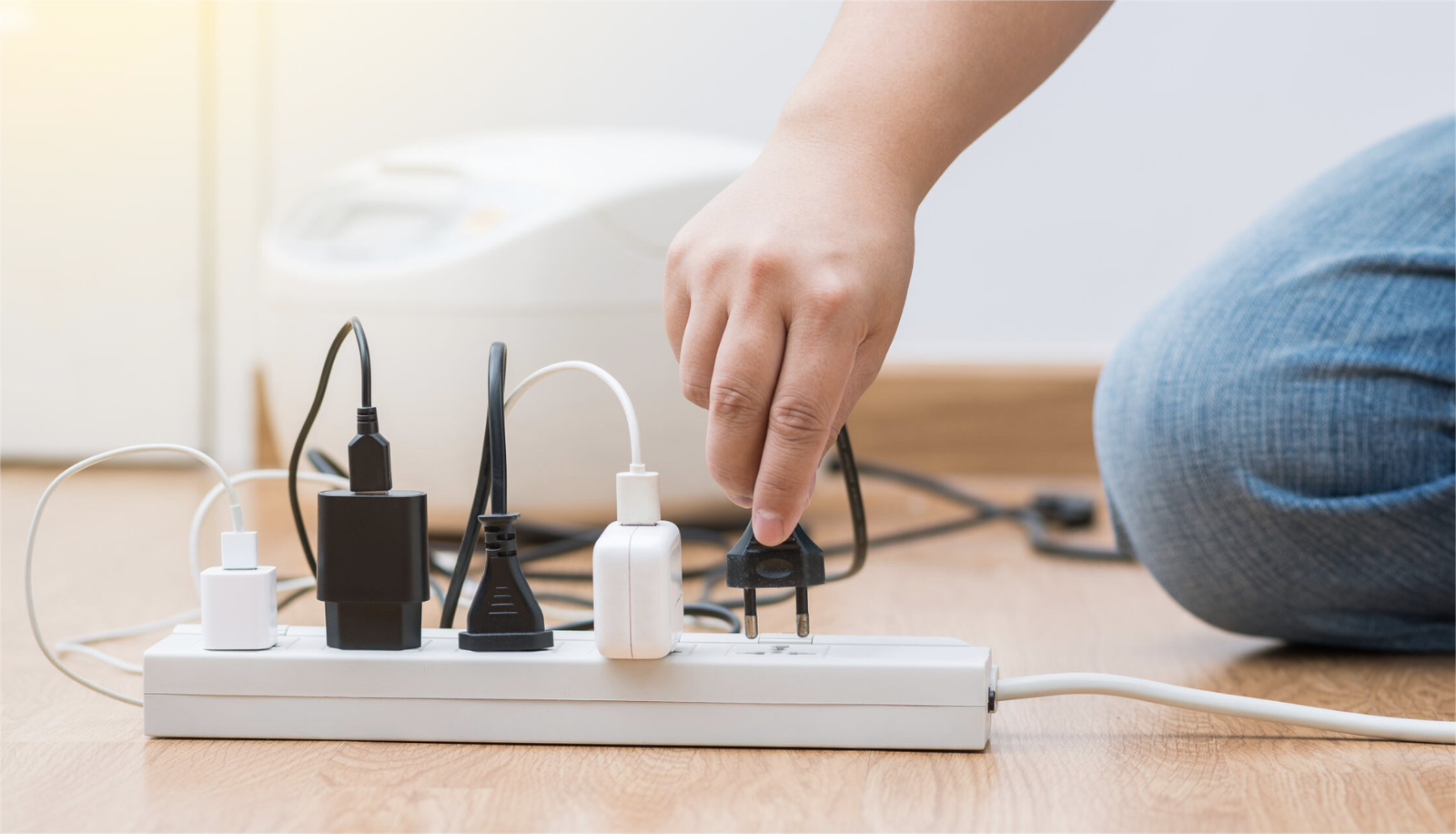
- No daisy-chains: Never plug a power strip into another strip or a long extension lead.
- Mind the load: Stay within the ampere/watt rating printed on the strip.
- Ventilation: Don’t cover the strip with blankets or rugs; give bricks room to breathe.
- High-watt items = wall only: Heaters, kettles, hair dryers—plug straight into a wall socket.
- Replace tired surge strips: If the protection light goes out—or after several years of heavy use—replace it.
Quick Buyer’s Checklist (print this)
- [ ] Surge rating shown (≥1,000 J) + Protected indicator
- [ ] Overload breaker present; housing feels solid
- [ ] USB-C PD3 wattage suits your laptop/phone (30–65 W)
- [ ] Flat plug + right cord length (1.5–2.0 m)
- [ ] Wide-spaced outlets; mounting slots if you need a tidy wall/desk setup
- [ ] CE/UKCA or UL/ETL + RoHS marks on the label
Conclusion
In dorms and shared flats, the best power strip is quietly reliable: safe surge protection7, honest USB power, a slim body, and a cord that actually reaches. Start with the features above, match the spec to your use case, and your room will be neater, friendlier—and a lot harder to trip over.
-
Discover how overload protection can prevent electrical hazards and keep your devices safe. ↩
-
Understanding joule ratings helps you select a power strip that offers adequate protection for your electronics. ↩
-
Learn about USB-C PD technology to ensure your devices charge quickly and efficiently with the right power strip. ↩ ↩ ↩ ↩ ↩ ↩ ↩ ↩ ↩
-
Learn how EMI/RFI filtering can enhance audio and video quality by reducing interference from electrical devices. ↩
-
Find out how energy-efficient power strips can help reduce electricity consumption and save on bills. ↩
-
Flat plugs can save space and reduce the risk of blocking other outlets, making them ideal for dorm use. ↩
-
Understanding surge protection can help you choose the right power strip to safeguard your devices from electrical spikes. ↩