
The Role of RoHS1 and FCC in Modern Power Strip Compliance
Years ago, power strips were just about electricity and plugs. But today, with smart features and stricter safety laws, compliance standards like RoHS1 and FCC have become critical checkpoints for both manufacturers and buyers.
RoHS1 and FCC certification2s ensure that modern power strips are environmentally safe and free from harmful interference. RoHS1 focuses on restricting toxic materials3, while FCC regulates electronic emissions. Together, they protect both users and the planet.
If you’re sourcing, selling, or building power strip products, here’s what you need to know to stay compliant—and trusted.
What Is RoHS1 Compliance and Why It Matters for Power Strips
RoHS1 might sound technical, but its purpose is simple: keep dangerous substances out of our electronics and out of our homes.
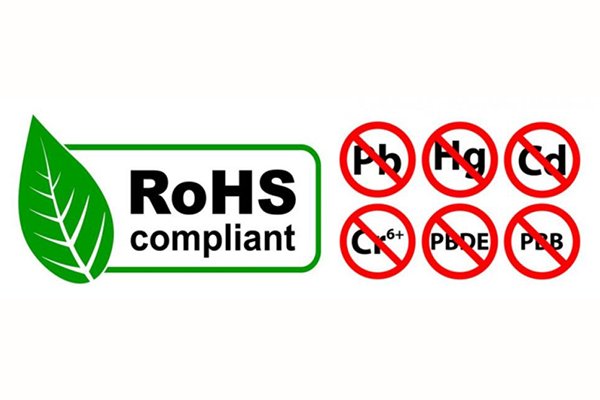
RoHS1 (Restriction of Hazardous Substances) is a European directive that limits the use of six harmful materials—including lead, mercury, and cadmium—in electrical and electronic products like power strips.
Why RoHS1 Is Crucial for Power Strips:
- Power strips contain internal wiring, solder, plastics, and PCBs that must be RoHS1 compliant to be sold in the EU.
- Non-compliant products may contain toxic substances that harm health and the environment.
- RoHS1 compliance is now expected not just in Europe, but globally.
| Restricted Substance | Limit (by weight) | Common Use (Pre-RoHS1) |
|---|---|---|
| Lead (Pb) | 0.1% | Solder, cable sheathing |
| Mercury (Hg) | 0.1% | Switches, relays |
| Cadmium (Cd) | 0.01% | Pigments, batteries |
| Hexavalent Chromium | 0.1% | Corrosion-resistant plating |
For any buyer working with European supermarkets, tech stores, or wholesalers—RoHS1 compliance isn’t optional. It’s a basic trust signal.
Understanding FCC Certification for Electronic Power Strips
These days, power strips aren’t always “dumb” devices. If they have USB chargers, Wi-Fi control, or smart features—they’re considered electronic transmitters.
FCC (Federal Communications Commission) certification is required for power strips that emit radio frequency signals or could cause electromagnetic interference4 (EMI) in the United States.
When Does FCC Apply?
- Smart power strips with Bluetooth or Wi-Fi
- USB charging modules5 with switching power supplies
- Digital displays, timers, or control chips
FCC ensures these devices don’t disrupt other electronics—like routers, TVs, or medical gear.
| FCC Category | Applies To |
|---|---|
| Part 15 Subpart B | Unintentional radiators (e.g., USB) |
| Part 15 Subpart C | Intentional radiators (e.g., Wi-Fi) |
If you’re selling on Amazon U.S. or any American retailer, FCC compliance is mandatory—especially for smart or USB-integrated models.
Key Differences Between RoHS1 and FCC Compliance Requirements
Though both RoHS1 and FCC are compliance standards, they serve very different roles in power strip production and approval.
RoHS1 focuses on the materials inside the product, while FCC regulates how the product behaves electronically in its environment.
| Feature | RoHS1 | FCC |
|---|---|---|
| Type of standard | Environmental safety | Electromagnetic compatibility |
| Main region enforced | European Union | United States |
| Focus | Restriction of toxic substances | Limiting signal interference |
| Applies to | All electronics with components | Smart/USB-enabled power strips |
| Documentation needed | Material test report (RoHS1) | FCC Supplier Declaration or ID label |
In short, RoHS1 is about what’s in the product. FCC is about what comes out of it. And both are needed for responsible, global selling.
How to Ensure Your Power Strips Meet Both RoHS1 and FCC Standards
So how do you actually make sure the power strip you’re selling—or buying—meets these certifications?
The safest way is to work with a supplier who can show real test reports, material declarations, and FCC registration numbers. Don’t take the label alone as proof.
Steps to Verify Compliance:
- Request RoHS1 test reports from a certified lab (like SGS, TÜV, or BV)
- Check material declaration—the Bill of Materials6 (BOM) should avoid restricted substances
- Ask for FCC ID or Supplier’s Declaration of Conformity (SDoC)
- Visit the FCC database7 (https://www.fcc.gov/oet/ea/fccid) and verify by FCC ID
- Confirm packaging and product labels are clearly marked
| Verification Step | What You Should See |
|---|---|
| RoHS1 test report | Lists lead, mercury, cadmium ≤ limits |
| FCC SDoC or ID | Matches the product and brand |
| Packaging & label | Proper CE/FCC markings8, clear contact info |
At How-dy, for example, every smart and USB power strip we ship includes RoHS1 material compliance and FCC test documentation—because no one wants to risk rejection at customs, or worse, safety recalls.
Conclusion
RoHS1 and FCC aren’t just red tape—they’re signals of trust, safety, and quality. For modern power strips with smart or USB features, both are essential for compliance and credibility. If you’re serious about global distribution9, these certifications aren’t optional—they’re the minimum standard your customers expect.
-
Understanding RoHS is crucial for ensuring your electronics are safe and compliant with environmental regulations. ↩ ↩ ↩ ↩ ↩ ↩ ↩ ↩ ↩ ↩ ↩ ↩ ↩ ↩ ↩ ↩ ↩ ↩ ↩ ↩ ↩ ↩ ↩
-
Explore the importance of FCC certification to ensure your devices meet communication standards and avoid interference. ↩
-
Learn about the harmful substances that RoHS restricts to protect health and the environment. ↩
-
Discover how electromagnetic interference can disrupt devices and the importance of compliance to prevent it. ↩
-
Understand the compliance needs for USB charging modules to ensure safety and efficiency. ↩
-
Discover how a Bill of Materials helps in verifying compliance with RoHS regulations. ↩
-
Learn how to navigate the FCC database to confirm compliance and avoid potential issues. ↩
-
Understand the significance of CE/FCC markings in indicating compliance with safety standards. ↩
-
Explore the essential compliance requirements for successfully distributing electronics worldwide. ↩