


Shipping power strips from China to Europe sounds simple, but lead time1, VAT, and paperwork can quietly eat your profit and patience.
To ship power strips from China to Europe smoothly, you must plan realistic lead time1s, understand import VAT2 rules for each EU country, and prepare compliant packaging3 and documents to avoid customs delays4 and extra costs.
If we get these three parts right early, the whole project usually feels calm instead of stressful.
What Are Typical Lead Times for Shipping Power Strips to Major EU Countries?
When buyers ask me about Europe, the first question is always: “How long will it really take?”
From China to major EU ports, sea freight for power strips usually needs 30–40 days door-to-door, while air freight can be around 7–12 days if production and documents are ready on time.
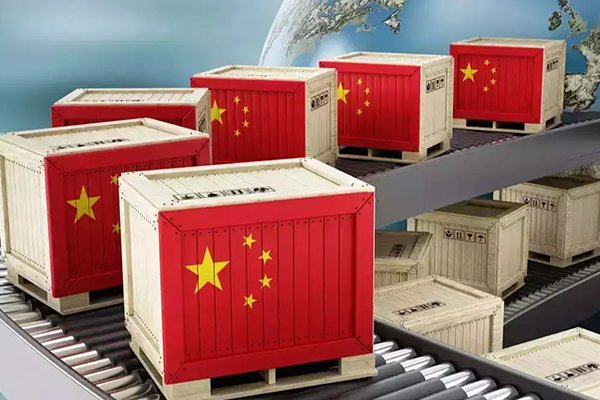
I still remember my first big order for Germany. I promised the buyer four weeks. In the end, the vessel changed schedule, customs made a random inspection, and it became almost seven. The power strips arrived, yes, but the trust arrived a bit damaged.
Since then, I’ve learned to break lead time1 into small, clear parts and explain them one by one. It makes planning easier for both sides.
Breaking Down the Lead Time
Here is how I usually explain it for Europe-bound power strips:
| Stage | Typical Time (Working Days) |
|---|---|
| Final confirmation & PI | 1–3 |
| Production & testing | 15–30 |
| Booking vessel / flight | 3–7 |
| Port handling & customs exit | 3–5 |
| Sea transit to EU main ports | 25–35 |
| Local customs + delivery | 3–10 |
Of course, these are rough figures, not a promise. But they help my buyers build their own delivery plan for DIY stores or tools chains.
For urgent cases, some clients mix solutions: the first pallet goes by air, the rest by sea. That way their shelves are not empty while the main batch is still on the water. We did this for a UK buyer who needed “something on the shelf” before a holiday promotion. It cost more in freight but saved the promotion, so it was worth it.
The key is to discuss forecast and buffer time early. When a buyer tells me their promotion date and warehouse capacity in advance, we can work backwards together and design a schedule that feels safe, not heroic. This kind of planning turns the project from a gamble into a system. If needed, I also share simple planning templates as [lead time](https://maskuralogistics.com/transit-time-from-china-to-other-countries/)1 checklists so the team can reuse them for future orders.
How Does VAT Work for Power Strip Imports in the EU?
VAT is often the “silent cost” that surprises buyers who are used to domestic shipments only.
In the EU, import VAT2 is usually charged when power strips enter the country, and the local importer pays VAT at that country’s rate, then normally claims it back later if they are VAT-registered5.
When I speak with buyers outside Europe, we often spend more time on VAT than on plug types. It’s not because I am a tax expert (I’m not), but because unexpected VAT can make a “good price” suddenly look expensive.

Key Points About VAT on Power Strip Imports
Here is how I usually explain it in simple terms during our calls:
-
VAT is local
Each EU country has its own VAT rate on electrical goods, often in a similar range but not exactly the same. -
Importer pays, not the Chinese factory
Normally, the company named as importer in customs (often the EU buyer or their logistics partner) is responsible for VAT. -
VAT is based on customs value6
This includes product value, freight, and sometimes insurance. So cheaper freight can slightly reduce VAT too. -
You may reclaim VAT later
If the importer is VAT-registered5 and the import is for business, they can usually deduct the VAT through their local tax return.
Because I am based in China, I always remind customers that I cannot give tax advice for their country. What I can do is make sure our documents are clean: correct HS code, clear product description, and realistic value. If these things are wrong, customs may adjust the value or even stop the goods, which wastes both time and money.
For larger accounts who ship to several EU countries, I suggest they talk with a local tax adviser or logistics company familiar with VAT and EORI requirements. Sometimes they decide to use one main EU hub, import there, pay VAT once, then distribute inside the EU. It adds an extra internal step but can make paperwork simpler overall. I often share sample invoices as [document references](http://www.osha.gov/laws-regs/standardinterpretations/2002-11-18)7 so their accounting team can review the format before the first shipment.
How Can You Avoid Delays with Packaging, Documentation, and Compliance?
Most delays I’ve seen in Europe did not come from the sea. They came from paper and packaging.
You avoid many customs and warehouse delays by using EU-compliant packaging3, correct safety markings8 on power strips, and clean documents that match exactly what is inside each carton and pallet.
I had one shipment to Spain where cartons had old labels with a slightly different model code. The products were correct, but the code on the packing list and the box did not match 100%. Customs did not like that. It took extra days and extra calls to clear everything.

Packaging and Documents That Make Customs Happy
When we ship How-dy power strips to Europe, I usually walk through a short checklist with the buyer:
| Area | What We Check |
|---|---|
| Packaging | Strength, carton size, inner bags, pallet layout, corner protection |
| Labelling | Model no., voltage, current, CE mark (if applicable), made-in label, barcodes |
| Warnings | Simple and clear safety warnings in the right language(s) |
| Documents | Commercial invoice, packing list, HS code, gross/net weight, carton counts |
| Tests/Reports | Relevant test reports9 or certificates if requested by buyer or authorities |
I also ask the customer how their warehouse works. Do they break pallets? Do they mix SKUs? Do they apply their own labels on arrival? Small details here can save a lot of time later. For one French client, we started printing big, clear model codes on two sides of each carton. Their team told me it cut their receiving time almost in half.
On the document side, consistency is everything. The invoice, packing list, and actual shipment must tell the same story. If the invoice says 2,000 pieces, the packing list says 1,980, and the cartons show 2,010, customs may think, “What is going on here?” and stop the goods.
So now, before loading, my team does a simple cross-check. We use a shared [shipping checklist](https://www.fedex.com/en-us/shipping/how-to-ship-batteries.html)10 and only close the file when the numbers line up. It sounds basic, but the basic things are usually the ones that avoid long emails with customs later.
How Do You Choose the Right Supplier for Fast, Stable, EU-Ready Shipments?
In Europe, most buyers I work with do not want “the absolute lowest price.” They want the lowest total risk.
The right power strip supplier for Europe combines reasonable lead time1, stable quality, proven EU compliance11, and clear communication12 about problems instead of hiding them until the last minute.
When Mark-type buyers (confident, direct, leading the talk) come to me, I can feel they have been through painful projects before. Late shipments. Quality surprises. “No problem” emails that ended with big problems.

What I Would Look For If I Were in Your Shoes
Here is how I would choose a supplier if I were buying for a DIY chain in Europe:
-
Real production experience13
A factory with many years on power strips usually has seen most common failures and solved them already. -
In-house testing
Simple internal tests (continuity, high-voltage, plug strength, etc.) done on every batch reduce surprises at the lab. -
Certificates and reports
Not just logos in a catalogue. Actual test reports9 with your model number and photos that match the product. -
Stable tooling and materials
No silent changes in plastic, cable, or plug unless you agree. Mark-type buyers hate surprise changes. -
Clear talk about delays
If something goes wrong, you should hear it early, together with options, not the week before shipment.
At How-dy, for example, we still make mistakes sometimes. Any factory that says “never” is not honest. But I try to tell buyers early, show photos or videos, and then offer choices: wait, modify, or split shipment. This “no drama” style is something many long-term customers tell me they value even more than small price differences.
For EU projects, I often suggest starting with a smaller, focused order first. Use it as a test. See how the samples, packaging, and documents feel in real life. After that, you can scale. It’s like testing a new power strip on one aisle of your store before rolling it out to all branches. This step-by-step trust building may look slow from the outside, but in my experience it leads to much faster growth over a few seasons. If needed, I also share [case-style stories](https://www.quora.com/What-would-happen-if-you-plugged-a-power-strip-into-another-power-strip)14 from previous projects (with names hidden) so new buyers can see how we handle real-world issues.
Conclusion
Plan time, respect VAT, and choose stable partners so your Europe shipments feel controlled, not chaotic.
-
Understanding lead time helps you plan shipments effectively and avoid delays. ↩ ↩ ↩ ↩ ↩
-
Learn about VAT to avoid unexpected costs and ensure compliance when importing. ↩ ↩
-
Proper packaging is crucial to avoid customs delays and ensure smooth delivery. ↩ ↩
-
Identifying common causes of delays can help you prevent them and streamline your shipping process. ↩
-
Being VAT-registered allows importers to reclaim VAT, reducing overall costs. ↩ ↩
-
Knowing how customs value is calculated can help you manage import costs effectively. ↩
-
Having the right document references can streamline the import process and ensure compliance. ↩
-
Correct safety markings are vital for product acceptance and consumer safety. ↩
-
Understanding test reports helps verify product safety and compliance. ↩ ↩
-
A comprehensive checklist can help ensure all documentation and packaging meet requirements. ↩
-
Understanding compliance is essential for successful market entry and avoiding legal issues. ↩
-
Effective communication can prevent misunderstandings and ensure timely problem resolution. ↩
-
Experienced suppliers are more likely to handle issues effectively and deliver quality products. ↩
-
Case studies provide real-world insights into handling challenges in the import process. ↩