
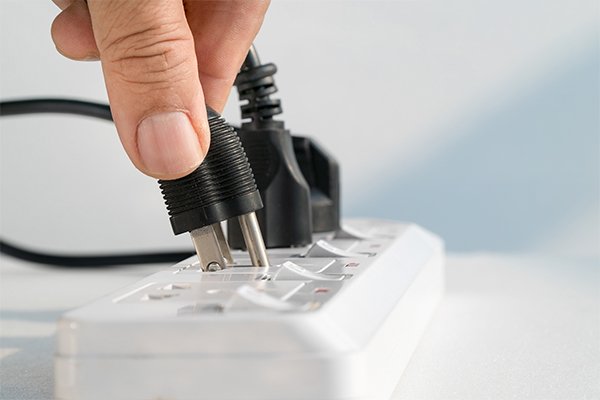
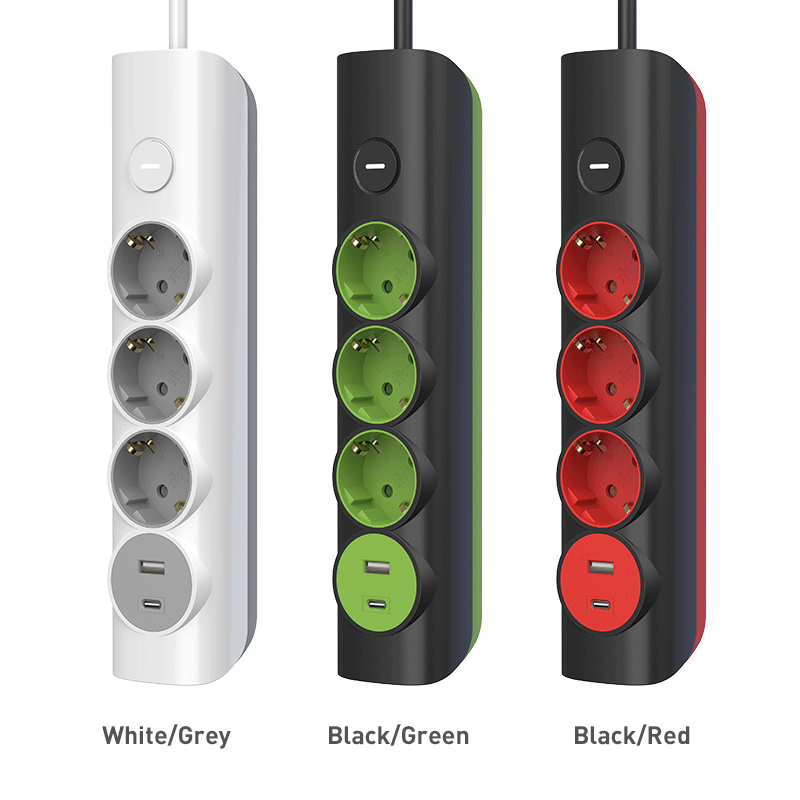
When I talk with European buyers and users about power strips, the same safety questions always come up.
For safe power strip use in Europe, always check real certifications, avoid overloading1, place the strip correctly, and replace old or damaged units before they become a risk.
If we build these habits now, we protect both our devices and our families with very small daily actions.
Why Should You Check Certifications Before Buying a Power Strip?
Before I even look at colours or sockets, I always look for safety marks.
Check for CE marking2, RoHS compliance3, correct voltage/current ratings4, and clear manufacturer details5 to be sure the power strip meets basic European safety requirements before you buy.

When I visit European stores, I often see two similar-looking power strips side by side. One is a serious product with proper markings and test reports6 behind it. The other is just “cheap and shiny.” From the outside, it is hard to tell the difference. That’s why I tell friends and customers: your first safety check is always the label and the documentation, not the price tag.
What to Look for on the Product
A safe power strip is usually very clear about what it is:
- The CE mark in proper proportions
- The voltage and current, for example 230V~, 16A
- The manufacturer or brand name and contact details
- Sometimes the RoHS symbol or wording on packaging
For more serious buyers, I also suggest asking for basic documents: a declaration of conformity7 and, if possible, recent test reports6. Even if you are “just” a consumer, big retailers usually have these documents on file. Asking about them shows that safety matters to you. Over time, this pressure from customers helps push the whole market in a better direction.
If you buy online, be extra careful. Read reviews, check photos from other buyers, and confirm that the plug and socket type really match your country. I have seen people in Europe accidentally buy strips made for other regions because the pictures looked similar. When in doubt, choose sellers and brands that clearly explain their standards and show real product photos, not only perfect 3D images. You can even keep a small personal checklist like a certification reminder on your phone to review before clicking “buy”.
| Item to Check | Why It Matters |
|---|---|
| CE mark | Shows conformity with EU safety directives |
| Voltage and current | Helps avoid overload and wrong country use |
| Brand and contacts | Easier to claim warranty or ask questions |
| RoHS information | Reduces risk of hazardous materials in components |
How Can You Avoid Overloading Your Power Strip?
Overloading is one of the fastest ways to turn a “good” power strip into a dangerous one.
To avoid overloading1, match your devices’ total power to the strip’s rated watts/amps, avoid daisy-chaining strips8, and keep high-power appliances9 on dedicated wall sockets.

I still remember a visit to a small workshop in Germany. The owner proudly showed me his corner with heaters, chargers, and tools, all plugged into one strip, then into a second strip. When I gently explained the load risk, he laughed and said, “But it has worked for years.” A week later he sent me a message: after our talk he checked the ratings, changed the setup, and was shocked how close he had been to the limit.
Simple Ways to Keep Within the Limit
You don’t need to be an engineer to manage load safely. Try this approach:
-
Check the rating on the strip
For example, 230V~, 16A. That’s roughly 3,680 watts (230 × 16), but best to stay under that. -
Check your main devices
Many plugs or stickers show watts: heaters, kettles, dryers are usually very high. -
Keep big loads separate
High-power devices (heater, washing machine, dryer, kettle) should normally go directly into wall sockets. -
Avoid daisy-chaining
Connecting one strip into another looks convenient, but it can silently overload the first strip or the wall socket.
If you are not sure, you can make a simple list of your usual devices and their watts, then keep it near your desk or TV area as a [load check card](https://www.visa.com/en-us/personal/cards/prepaid/reloadable)10. Over time, checking becomes a habit, like glancing at your car’s fuel gauge.
A good rule I use at home: if I am plugging in a heater or anything that creates heat, I think twice. Heat usually means high power. High power means it deserves its own wall socket. This small pause is often enough to keep your usage safe.
What Are Proper Placement and Usage Tips for Power Strips?
Even a well-made power strip can become unsafe if we use it in the wrong place or in the wrong way.
Place power strips in dry, ventilated areas, keep them off carpets and away from water, avoid covering them, and use them only as temporary outlets—not as a permanent wiring solution.
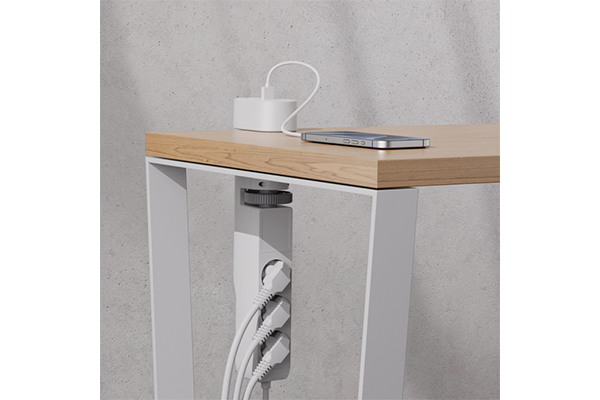
When I visit customers’ offices or homes, I sometimes do a quiet “power strip tour”. I look under desks, behind TVs, next to beds. I see strips under piles of clothes, trapped between furniture, or lying in dust and cables like a small jungle. People are not careless on purpose; they’re just busy. So I try to share simple placement habits that anyone can follow.
Everyday Habits That Reduce Risk
Here are practical tips I give to friends, family, and buyers:
-
Keep it dry
Avoid bathrooms, wet kitchen areas, or floors where water can collect. Moisture and mains voltage are a bad mix. -
Let it breathe
Do not cover the strip with rugs, boxes, or blankets. Heat needs space to escape. -
Keep it off soft surfaces
Placing strips directly on thick carpet makes it easier for dust to build up and for heat to stay trapped. -
Protect from children and pets
Keep strips where small fingers and curious teeth cannot reach them. -
Use the right strip for the right place
For workshops, garages, or outdoor areas, choose products clearly designed for more demanding environments.
If you feel your strip getting unusually warm, smelling odd, or making strange noises, unplug it and inspect it. These are early warning signs11 that something is not right. At home, I do a quick visual check12 every few months and gently clean dust with a dry cloth. It takes only a few minutes and helps the product last longer.
Some people like to label strips with simple tags like “TV area” or “office desk” and note the maximum devices allowed. This sounds almost too simple, but it helps everyone in the family or team understand how to use each strip. You could even make a small [usage guideline card](https://www.cod.edu/about/campus-departments/environmental-health-safety/pdf/extension_cord_safety_guidelines.pdf)13 and tape it near your main extension area, especially in shared spaces.
When Should You Replace Your Old Power Strip?
No power strip is forever, even if it still “kind of works” when you plug it in.
Replace your power strip if you see damage, discoloration, loose sockets, frequent tripping, or if the unit is very old and has worked under heavy load for many years.
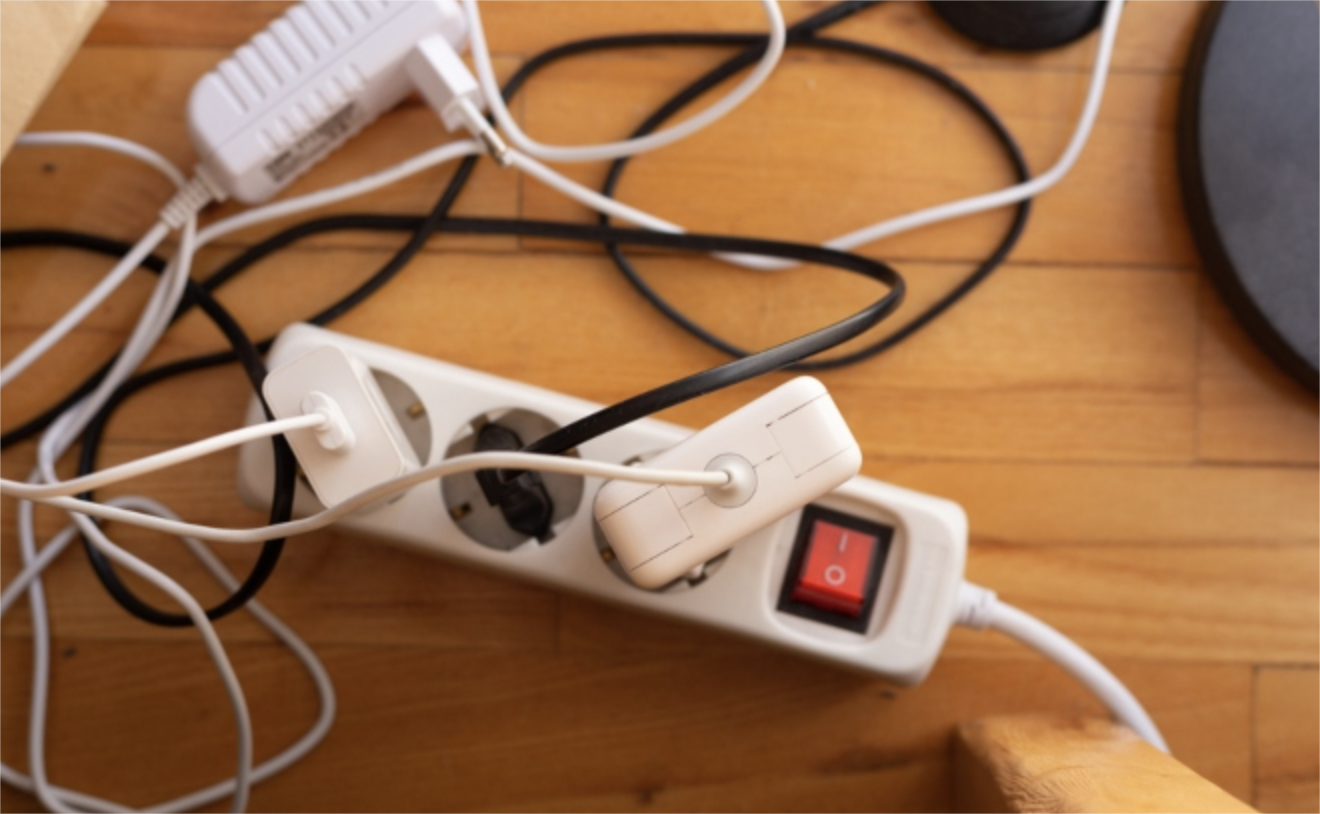
I once visited a long-term customer who proudly showed me an old strip he had been using for more than ten years. The plastic was yellow, the switch felt soft, and one socket held the plug very loosely. “It is a legend,” he joked. I smiled and told him, “Yes, but legends also deserve retirement.” We replaced it that same week.
Clear Signs It’s Time to Say Goodbye
Here are signals I personally never ignore:
-
Cracks, burns, or discoloration
These may show overheating or material ageing. -
Loose sockets
If plugs wobble or fall out easily, contact may be poor and can create heat. -
Frequent tripping
If the strip or breaker keeps tripping under normal load, something is wrong. -
Strange smell or noise
Buzzing, sizzling, or a burnt smell means stop using it immediately. -
Very old age under heavy use
If you have used the same strip daily for many years, especially with high loads, replacement is a wise choice.
From the factory side, we design and test How-dy power strips to handle long-term use in European homes, workshops, and DIY stores. But even with good design, I never tell people to use any strip “forever”. Safety products deserve regular review.
If you are not sure, you can take a photo of your setup and discuss it with an electrician or share it with your internal safety team at work. Some of my customers even build a simple [replacement schedule](https://www.anker.com/blogs/chargers/how-long-do-surge-protectors-last)14 for busy areas, for example changing strips in shops or workshops every few years.
As a manufacturer from China focusing on B2B, my goal with How-dy (our brand under the slogan “Power Stript free”) is to give European distributors and their end customers products that feel safe to use every day—professional design, on-time deliveries, and support even for smaller customised runs when you are testing new ideas for your market. But no matter which brand you choose, listening to these early warning signs11 and replacing old strips in time is one of the best safety habits15 you can build.
Conclusion
Use certified strips, avoid overload, place them wisely, and retire old units before they retire themselves.
-
Understanding the risks of overloading can prevent dangerous situations and protect your devices. ↩ ↩
-
Understanding CE marking ensures you choose safe products that comply with EU regulations. ↩
-
Learn how RoHS compliance reduces hazardous materials in electronics, ensuring safer power strips. ↩
-
Knowing how to check these ratings helps prevent overload and ensures safe usage. ↩
-
Manufacturer details are crucial for warranty claims and safety inquiries. ↩
-
Test reports provide assurance of product safety and performance, essential for informed purchases. ↩ ↩
-
This document confirms that a product meets safety standards, ensuring your safety. ↩
-
Daisy-chaining can lead to overloads, increasing the risk of fire hazards. ↩
-
Identifying high-power appliances helps you use power strips safely and effectively. ↩
-
A load check card helps you manage device loads effectively, ensuring safe usage. ↩
-
Recognizing early warning signs can prevent accidents and ensure timely replacements. ↩ ↩
-
Regular visual checks can help identify potential hazards before they become serious. ↩
-
A usage guideline card can educate users on safe practices, enhancing overall safety. ↩
-
A replacement schedule ensures your power strips are always safe and functional. ↩
-
Building safety habits can protect your devices and family from electrical hazards. ↩