
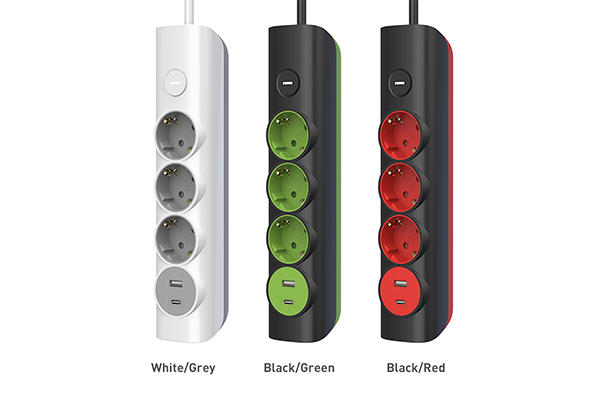
When I talk with European buyers, I quickly notice one thing: Germany, France, and the UK want very different power strips1.
Power strip demand in Germany, France, and the UK is shaped by local habits: German buyers2 prioritise safety and durability, French buyers3 value design and multi-socket4 home use, and UK buyers focus on surge protection5 and smart features6.
Once you see these patterns clearly, it becomes much easier to design the right product mix7 for each market.
Germany: Why Do Safety Standards Drive Industrial-Grade Power Strip Preferences?
When I think of German buyers2, the first words in my mind are always “safety” and “solid build.”
In Germany, power strip demand is driven by strict safety standards8, industrial-style robustness, and buyers who prefer proven, long-lasting designs over flashy new ideas.
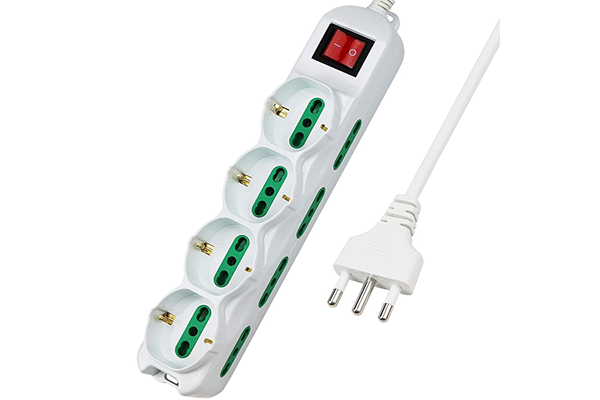
I still remember my first visit to a German DIY buyer. He held one of our samples in his hand, weighed it, looked at the cable, and said, “Lucas, this feels okay, but show me your tests.” He didn’t care about fancy marketing. He wanted to see real evidence: internal structure9 photos, load tests, temperature rise results. That moment taught me a simple truth: in Germany, the story starts from the inside out.
What German Buyers Usually Look For
From years of talks with German customers, I see a few constant themes:
- Safety and standards first – They ask about standards, certificates, and test labs before layout and colours.
- Industrial feeling – Thicker cable, strong plugs, firm sockets, and housings that feel like they can survive rough use.
- Predictable, repeatable quality – No silent changes in materials or internal design once the product is approved.
You can think of German demand like a solid engineering drawing: clear lines, few surprises. If your product looks too “light” or “toy-like”, it may not inspire confidence, even if the specs on paper are okay. That’s why many of the German-focused strips we make use stronger plastic, longer cables, and clear, serious labelling, not playful graphics.
A simple way to plan is to build a small Germany-focused spec sheet for each model, listing cable size, test standards, and safety features such as child protection and overcurrent protection. This can be your internal German [market checklist](https://oxmaint.com/checklist-center/workstation-power-strip-inspection-checklist-facility-maintenance-guide)10 when talking to buyers.
| German Preference | Practical Product Response |
|---|---|
| Strong safety focus | Clear CE, test reports, robust construction |
| Industrial usage | Thicker cable, stronger housing, high load capability |
| Long-term relationships | Stable design, no unexpected spec changes |
When I present to German customers, I sometimes feel like I’m sitting with engineers even if their titles say “buyer”. And honestly, I like that. Once they trust your technical base, they stay with you for a long time.
France: How Do Design, Home Use, and Multi-Socket Needs Shape Demand?
In France, the power strip is not just a tool; it is also part of the home.
French demand for power strips1 is heavily driven by attractive design, comfortable home use, and multi-socket layouts11 that serve living rooms, home offices, and small apartments.
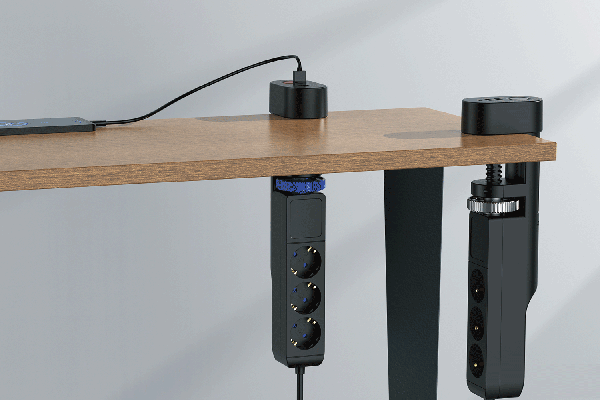
I remember one French customer who told me, “Lucas, this power strip works, but my wife will not allow it in the living room.” He laughed, but he was serious. He wanted something that could sit near a sofa or TV without looking like workshop equipment. That conversation pushed me to think differently about colour, shape, and the way cables bend around furniture.
Everyday Home Use Drives French Choices
Here’s what I often see in French buyers3’ requirements:
- Soft design language – Rounded shapes, gentle colours, and compact forms that look good on wood floors or near white walls.
- Multi-socket + USB – Families want to charge phones, tablets, speakers, and laptops from one tidy spot.
- Flexible cable lengths12 – Not too short, not too long; just enough to reach behind a TV, sofa, or desk without a tangled mess.
In this market, it helps to think in “scenes,” not just technical specs. Imagine a Paris apartment: small spaces, many devices, limited sockets in the wall. A multi-socket strip with USB and maybe a gentle indicator light can feel like a daily helper, not just plastic hardware.
I like to create simple “use scenarios” for France-focused models: TV corner, home office, bedroom, kids’ room. Each scenario has its own preferred cable length, number of sockets, and extra features. We sometimes map this into a French home usage matrix so our team can match products to real rooms, not just to catalog pages.
| French Scenario | Key Needs |
|---|---|
| Living room | Clean design, multiple sockets, USB ports |
| Home office | Desk-friendly layout, surge options |
| Bedroom | Quiet indicator lights, phone charging |
When I talk with French buyers3, we still discuss safety and standards, of course. But if the product does not “feel good” in the home, interest drops quickly. For them, a power strip is almost like furniture: it should work well, and it should not ruin the room’s mood.
UK: Why Are Surge Protection and Smart Power Strips So Important?
The UK conversations often start with a very clear word: protection.
In the UK, demand for power strips1 is strongly shaped by interest in surge protection5 and smart features6, especially around sensitive electronics, home offices, and connected homes.
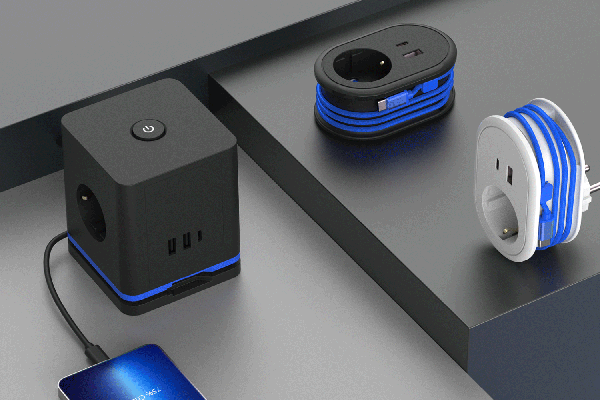
One UK buyer once joked with me, “Lucas, if your strip kills my customer’s TV, they will remember that forever.” Behind the joke was a real concern: people are connecting expensive devices—TVs, gaming consoles, laptops, routers—to relatively cheap strips. So British buyers pay special attention to surge specs, indicator lights, and reliability.
How UK Consumers Think About Power Strips
From my side of the table, the UK demand often includes:
- Surge protection as standard – Especially for strips near TVs, PCs, and routers. Some buyers treat non-surge strips as “low end only.”
- Smart control options – Wi-Fi or app-controlled sockets, timers, and sometimes voice-assistant compatibility.
- Clear indicators and labelling – People want to see if surge protection5 is active and which sockets are controlled.
When we design for the UK, we consider the three-pin plug size, fuses, and spacing between sockets very carefully. Space is a practical issue: many UK plugs are large, and if sockets are too close, users cannot use all outlets at once.
Smart strips are a growing topic here. I often tell buyers we must be honest about what is really needed: sometimes a simple master switch and a couple of USB ports is enough; sometimes a full smart strip with app control is justified. Clarity on this early helps avoid over-complicated designs that are hard to explain in-store.
A simple internal tool is to classify your UK portfolio into three tiers: basic, surge, and smart. You can maintain a UK product tiering sheet to keep packaging, feature sets, and pricing logic consistent.
| UK Tier | Typical Features |
|---|---|
| Basic | Simple strip, no surge, good for low-value loads |
| Surge | Surge protection, indicator, ideal for electronics |
| Smart | App control, scheduling, sometimes energy viewing |
From our factory side, I see that UK buyers are ready to pay more when they clearly understand how the strip protects their customer’s devices or makes daily use easier. But the explanation must be simple and honest, not marketing noise.
What Do These Regional Differences Mean for Suppliers?
For me as a supplier, these three countries feel like three different “languages” spoken with the same product family.
Regional differences mean suppliers must segment designs, features, and messaging: industrial-grade13 and standards-led for Germany, home-design and multi-socket4 focus for France, and surge/smart-centric solutions for the UK.
If we try to push one “universal” power strip to all three markets, we usually end up with something that fits nowhere perfectly. But when we accept these differences and design around them, cooperation becomes smoother and more profitable for everyone.
How I Apply This in Real Projects (and Where How-dy Fits)
Here’s how I usually translate these insights into action with EU buyers:
- Separate roadmaps – Different spec options and hero models for Germany, France, and the UK, not just different plugs.
- Country-specific packaging – Highlight the features that matter most locally: safety and tests in Germany, design and layout in France, surge and smart control in the UK.
- Flexible combinations – Allow mixed containers where a buyer serves more than one country but still wants targeted assortments.
At our factory in China, under the How-dy brand, we focus on B2B and wholesale only. We’re not trying to be everywhere at once; instead, we work closely with distributors and DIY chains to build assortments that speak the right “language” in each country. For example:
- A German customer might choose heavier-duty strips with thicker cables and very serious packaging.
- A French partner prefers slim, multi-socket strips with softer styling and strong home-use photos.
- A UK buyer pushes us for surge-protected, sometimes smart-enabled strips aimed at entertainment and home-office setups.
Because we handle OEM/ODM14 and support smaller trial batches, many customers start with a limited selection for one country, then expand once they see real sell-through data. This step-by-step approach reduces their risk and helps us refine details—like socket spacing, cable length, or packaging icons—based on real feedback, not guesses.
In the end, the lesson for suppliers is simple but powerful: “Europe” is not one market for power strips1. It is a group of different habits and expectations. If we respect that in our designs and schedules, we build longer relationships and more stable business. You can even create your own [regional preference map](https://support.microsoft.com/en-us/office/create-a-region-chart-in-3d-maps-ce15c2c9-e9b1-47ab-ae53-37489cb67726)15 to keep your teams aligned when developing the next generation of products.
Conclusion
Treat Germany, France, and the UK as three distinct stories, and design your power strip range to fit each one.
-
Explore this link to understand the best power strips tailored for various European markets. ↩ ↩ ↩ ↩
-
Discover insights into the preferences of German buyers when it comes to power strips. ↩ ↩
-
Understand the unique preferences of French buyers regarding power strip design and functionality. ↩ ↩ ↩
-
Explore how design elements impact the functionality of multi-socket power strips in France. ↩ ↩
-
Learn why surge protection is a critical feature for power strips in the UK market. ↩ ↩ ↩
-
Discover the smart features that UK consumers are looking for in power strips. ↩ ↩
-
Learn how to effectively create a product mix for power strips tailored to European markets. ↩
-
Learn about the strict safety standards that influence power strip design in Germany. ↩
-
Explore the key factors that influence the internal structure of power strips. ↩
-
Explore essential elements to include in a market checklist for power strips. ↩
-
Discover the advantages of multi-socket layouts in power strips for home use. ↩
-
Find out the best cable lengths for power strips designed for small living spaces. ↩
-
Find out what makes a power strip industrial-grade and why it matters for buyers. ↩
-
Discover how OEM/ODM practices influence power strip manufacturing and design. ↩
-
Find out how to create a regional preference map to align product development with market needs. ↩