
Top 5 Mistakes When Buying Adapters for Power Strips

A small adapter can make a big difference—good or bad. The right one keeps devices safe and trips smoothly through customs and audits. The wrong one overheats, defeats earthing, or simply doesn’t fit. Here are the five mistakes I see most often, plus quick fixes you can use today.
1) Ignoring Plug and Socket Compatibility Across Regions1
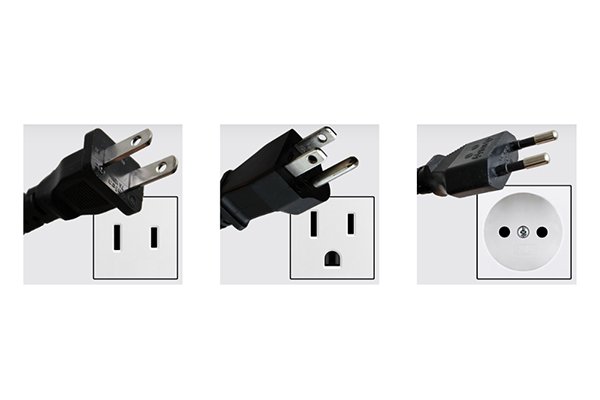
Not all plugs are created equal. A shape that fits in Berlin won’t fit in London.
Common regional types (quick map)
| Region | Typical Plug/Socket Types | Notes |
|---|---|---|
| Mainland Europe | Type C / E / F | 2-pin (C) or 2-pin with side earth (E/F) |
| United Kingdom & Ireland | Type G | 3-rectangular pins with fuse in the plug |
| North America (US/Canada) | Type A / B | 2-flat (A) or 3-pin with earth (B) |
| Australia / New Zealand / China | Type I | Slanted flat pins (some with earth) |
What to do
- Match plug type and earth (ground) path. If your device has an earthed plug, use an earthed adapter2—don’t “cheat” with a two-pin fit.
- For travel, pick country-specific or universal adapters that list exact supported types on the packaging.
2) Overlooking Voltage and Current Ratings for Safety3
A plug shape adapter does not change voltage. That’s how devices get fried—or cords run hot.
Key checks
- Voltage: Many electronics are 100–240 V, 50/60 Hz (dual-voltage). If your label does not say this, you need a voltage converter/transformer, not just a plug adapter.
- Current / wattage: Don’t exceed the adapter’s or the power strip’s rating (e.g., 10 A EU, 13 A UK, 15 A US).
- Heat headroom: High-watt appliances (heaters, kettles, dryers, microwaves) should go directly into a wall socket—no adapters, no power strips.
Rule of thumb
- Check the device plate (V, Hz, A/W). Match or overspec the adapter and strip. If in doubt, step up to the next rating.
3) Buying Low-Quality Adapters Without Certifications4
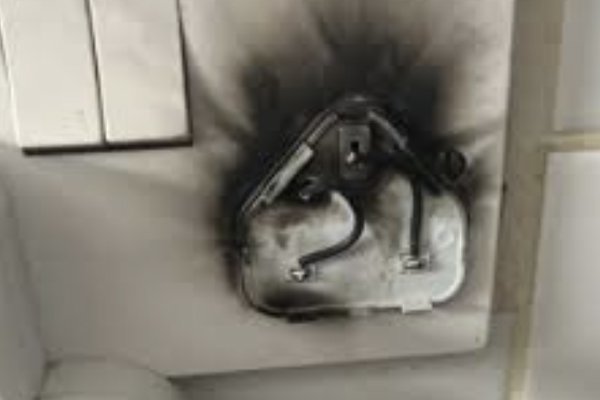
A cheap adapter can hide thin copper, poor contacts, and no protection. That’s a risk to people and equipment.
What to look for
- Marks: CE/UKCA (EU/UK), UL/ETL (US/Canada), and RoHS for materials.
- UK travel adaptors: Prefer units tested to BS 85465.
- Build: Solid pins, firm socket grip, child-safety shutters where applicable, strain relief on any cord.
Avoid
- “CE-looking” logos with no documentation, feather-light housings, vague ratings like “Max Power!” without numbers.
4) Confusing Travel Adapters with Power Strip Extensions
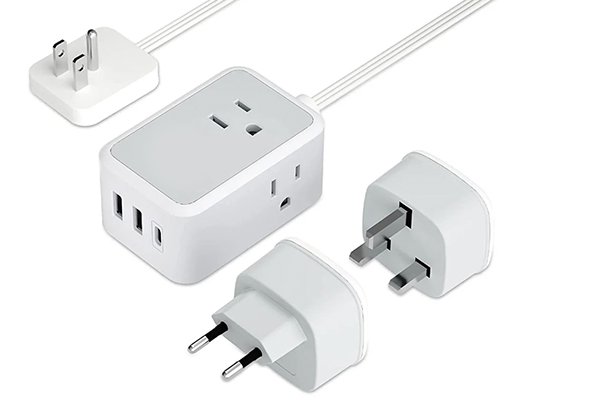
A travel adapter makes a plug fit. A power strip adds outlets and often adds overload and surge protection. They’re different tools.
Remember
- Travel adapter: Changes shape; may include a fuse. Does not add outlets, does not convert voltage.
- Power strip: Expands outlets; may include overload reset switch and surge protection6 (joule rating); sometimes USB-C PD7.
- Never daisy-chain: Don’t plug one strip into another. Don’t run a strip through a travel adapter for high loads.
Pick the right tool
- One device in a hotel → travel adapter (and converter if needed).
- Several devices at a desk → surge-protected power strip with proper regional plug.
5) Choosing Price Over Durability and Long-Term Reliability8

Lowest price can mean short life and higher total cost—returns, replacements, and risk.
Pay attention to
- Contacts & springs: A firm grip reduces heat and arcing.
- Materials: Flame-retardant housing (e.g., UL94 V-0), proper copper cross-section.
- Design clarity: Clear per-port power map for any USB-C/USB-A outputs; visible indicators for surge/overload.
- Warranty & paperwork: Real brands provide datasheets, test reports, and a traceable DoC (EU/UK).
Quick Buyer’s Checklist (print this)
- [ ] Correct plug type and earthed path if required
- [ ] Device label says 100–240 V (or you have a proper converter)
- [ ] Adapter/strip amp rating ≥ device draw (and strip total load within limit)
- [ ] Certifications: CE/UKCA (EU/UK), UL/ETL (US/CA), RoHS; BS 85465 for UK travel adaptors
- [ ] No daisy-chaining; high-watt appliances into wall outlet only
- [ ] Solid build: tight contact, shutters, strain relief, clear labels
- [ ] For desks: choose strips with overload protection; add surge (joules shown) if protecting electronics
- [ ] For charging: consider USB-C PD7 (e.g., 65–100 W) with a transparent power map
Conclusion
Adapters and power strips solve different problems: fit versus expand. Match plug type and earth path, respect voltage/current, demand certifications, and don’t expect a travel adapter to behave like a strip (or vice versa). Spend a little more on quality—you’ll get cooler runs, fewer failures, and a safer setup that lasts.
-
Understanding regional plug types ensures your devices work safely and effectively when traveling. ↩
-
Earthed adapters provide safety by ensuring proper grounding for your devices. ↩
-
Knowing voltage and current ratings prevents device damage and ensures safe operation. ↩
-
Certified adapters guarantee safety and reliability, protecting your devices from potential hazards. ↩
-
BS 8546 certification ensures that travel adapters meet safety standards in the UK. ↩ ↩
-
Surge protection safeguards your electronics from voltage spikes, extending their lifespan. ↩
-
USB-C PD technology allows for faster and more efficient charging of devices. ↩ ↩
-
Investing in durable products saves money in the long run and ensures safety. ↩