
Global Power Strip Market 2025–2030: Size, Growth, Trends, and Outlook
The humble power strip is quietly evolving—adding USB-C PD1, smarter energy control, and tighter safety compliance2. From home offices to data-heavy commercial spaces, demand is shifting toward safer, smarter, and more compact designs.
Note on figures: The market sizing below is an illustrative forecast based on common industry drivers and conservative/optimistic scenarios. Always validate with your latest third-party reports before budgeting.
Power Strip Market Size and Forecast 2025–2030
Baseline view: steady growth driven by smart-home adoption, USB-C PD1 integration, refresh cycles in offices, and stricter safety/eco standards.
| Scenario (Global) | 2025E Market Size | 2030E Market Size | CAGR 2025–2030 | Assumptions |
|---|---|---|---|---|
| Conservative | \$5.8–6.2B | \$6.8–7.4B | 3–4% | Slower housing/IT spending; modest smart uptake; price pressure |
| Baseline | \$6.2–6.8B | \$8.0–9.2B | 5–8% | Normalized electronics demand; USB-C PD1 mainstream; retail+online mix |
| Optimistic | \$6.8–7.4B | \$9.5–10.8B | 8–10% | Fast smart-home penetration; enterprise retrofits; strong hospitality/travel |
Where growth concentrates (2025–2030):
- Smart/Wi-Fi/Matter-ready strips (fastest % growth)
- USB-C PD1 65–140W integrated models
- Surge-protected + overload SKUs for home/office safety
- Travel/compact formats (hybrid work & tourism recovery)
Key Trends Shaping the Global Power Strip Industry
-
Safety & Compliance Upgrades
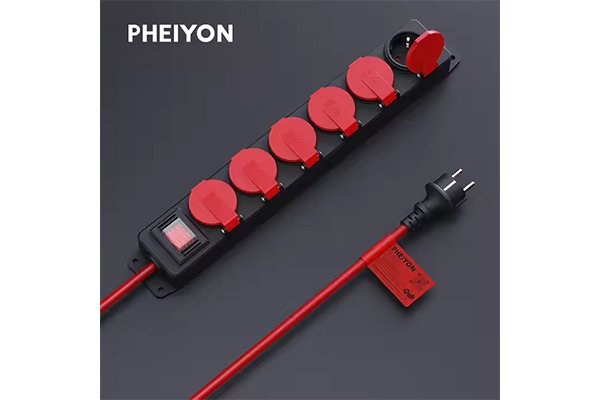
CE/UKCA, UL/ETL, RoHS/REACH remain non-negotiable; overload reset, thermal cut-off, child shutters, and higher flame-retardant standards (e.g., UL94 V-0) become standard spec. -
USB-C PD1 Becomes Default
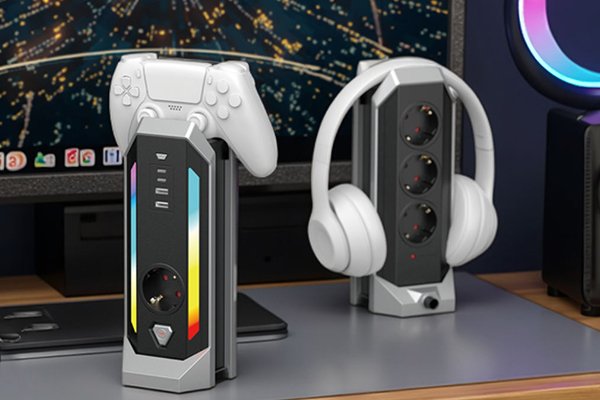
Built-in PD with GaN modules (65–140W shared) reduces extra chargers. Retailers favor socket spacing and flat/angled plugs to fit bulky adapters. -
Smart Features with Real ROI
Per-outlet control, energy monitoring3 (kWh), schedules/timers, and Matter/Thread support improve user experience and reduce standby losses. -
Design: Slimmer, Mountable, Cable-Managed
Under-desk mounts, adhesive brackets, and integrated cable channels address workspace clutter. -
Eco Packaging & Materials
Retail and EU directives push recyclable packaging, clearer labeling (load, surge joules), and QR-linked digital manuals. -
Channel Shift
E-commerce and B2B marketplaces expand private-label/OEM opportunities; buyers demand shorter lead times and configurable BOMs.
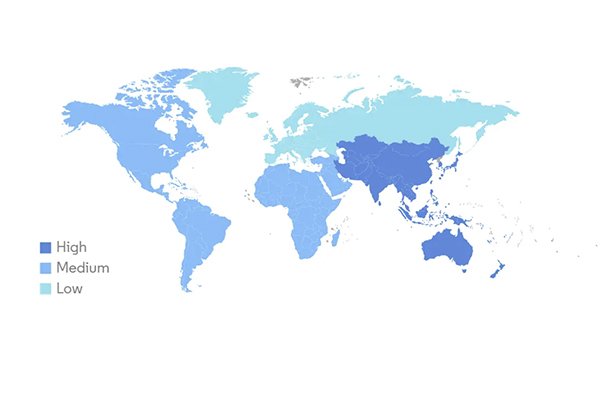
Regional Insights: Power Strip Market by Region
| Region | 2025–2030 Growth Drivers | Notes for Buyers |
|---|---|---|
| North America | Home-office refresh, surge protection4 awareness, UL/ETL compliance | Wide-spacing outlets, high-joule surge (≥1000J), 14–16 AWG cords |
| Europe (EU/UK) | CE/UKCA, eco & safety regs, USB-C adoption | Child shutters, overload reset, flame-retardant housings, multi-standard labeling |
| Asia-Pacific | Urbanization, SME digitization, smart-home penetration | Price-sensitive but tech-forward; strong online channels |
| Latin America | Retail modernization, hospitality recovery | Voltage variability; robust surge + clear watt/amp labeling |
| Middle East & Africa | Infrastructure and commercial fit-outs | Durable cords, thermal protection, multilingual packaging |
Future Outlook and Opportunities in the Power Strip Market
Product opportunities (2025–2030):
- Smart + PD hybrids: Per-outlet control + USB-C PD1 100W; family-safe features bundled.
- Commercial-grade SKUs: Higher cycle durability, EMI/RFI filtering, keyed mounting slots.
- Travel SKUs: Universal 100–240V input, fused plugs, compact cords, multi-USB-C.
- Cable-management ecosystems: Strips bundled with clips/rails to reduce desk clutter.
Go-to-market plays:
- Private label/OEM: Retailers and IT channels want certified, configurable designs.
- Compliance transparency: Share digital test reports (CE/UL), surge joules, and load limits via QR.
- Energy messaging: Simple kWh savings dashboards for smart SKUs.
Watch-outs (risk & mitigation):
- Input cost volatility (copper, polymers): Dual-source BOMs; spec-locked alternates.
- Counterfeits/mislabeling: Serialization/QR verification and tamper-evident seals.
- Regulatory tightening: Track EU eco-design and national safety updates; plan re-cert windows.
Quick Buyer’s Checklist (2025)
- Safety: CE/UKCA or UL/ETL; overload reset + thermal cut-off; flame-retardant housing.
- Performance: Total amp/watt rating; surge joules for electronics setups; spacing for adapters.
- Charging: USB-C PD1 (per-port & shared wattage) suitable for your laptops/phones.
- Smart: Per-outlet control, schedules, energy monitoring3; Matter if you need cross-platform.
- Design: Flat plug, cord length options, mounting hardware, cable channels.
- Docs: Clear labeling, multilingual instructions, QR-linked certificates.
Conclusion
From 2025 to 2030, the power strip market grows steadily as safety, USB-C PD1, and smart energy control5 become mainstream. Brands and buyers that prioritize compliance, compact design, and real-world usability will capture outsized value—whether in retail shelves, B2B catalogs, or private-label programs.
-
Learn about USB-C PD technology and its advantages for modern power strip designs. ↩ ↩ ↩ ↩ ↩ ↩ ↩ ↩
-
Stay informed on safety compliance standards to ensure your power strips meet necessary regulations. ↩
-
Find out how energy monitoring features can help you track and reduce energy consumption. ↩ ↩
-
Understand the importance of surge protection to safeguard your devices from electrical surges. ↩
-
Explore how smart energy control can enhance efficiency and safety in your power strip usage. ↩